If you're an independent travel advisor, you've probably wondered whether you should form an LLC or keep running your business as a sole proprietor. The answer isn't as obvious as most internet advice would have you believe. Both structures have real advantages and real trade-offs — and the right choice depends on your specific situation. Here's a plain-language walkthrough to help you decide.
Quick disclaimer up front: This is a very high-level overview, not legal or tax advice. State laws vary significantly, and business structure has major tax and liability implications. Before you make a decision, talk to a qualified attorney AND a CPA who work with small businesses in your state.
What's a Sole Proprietorship?
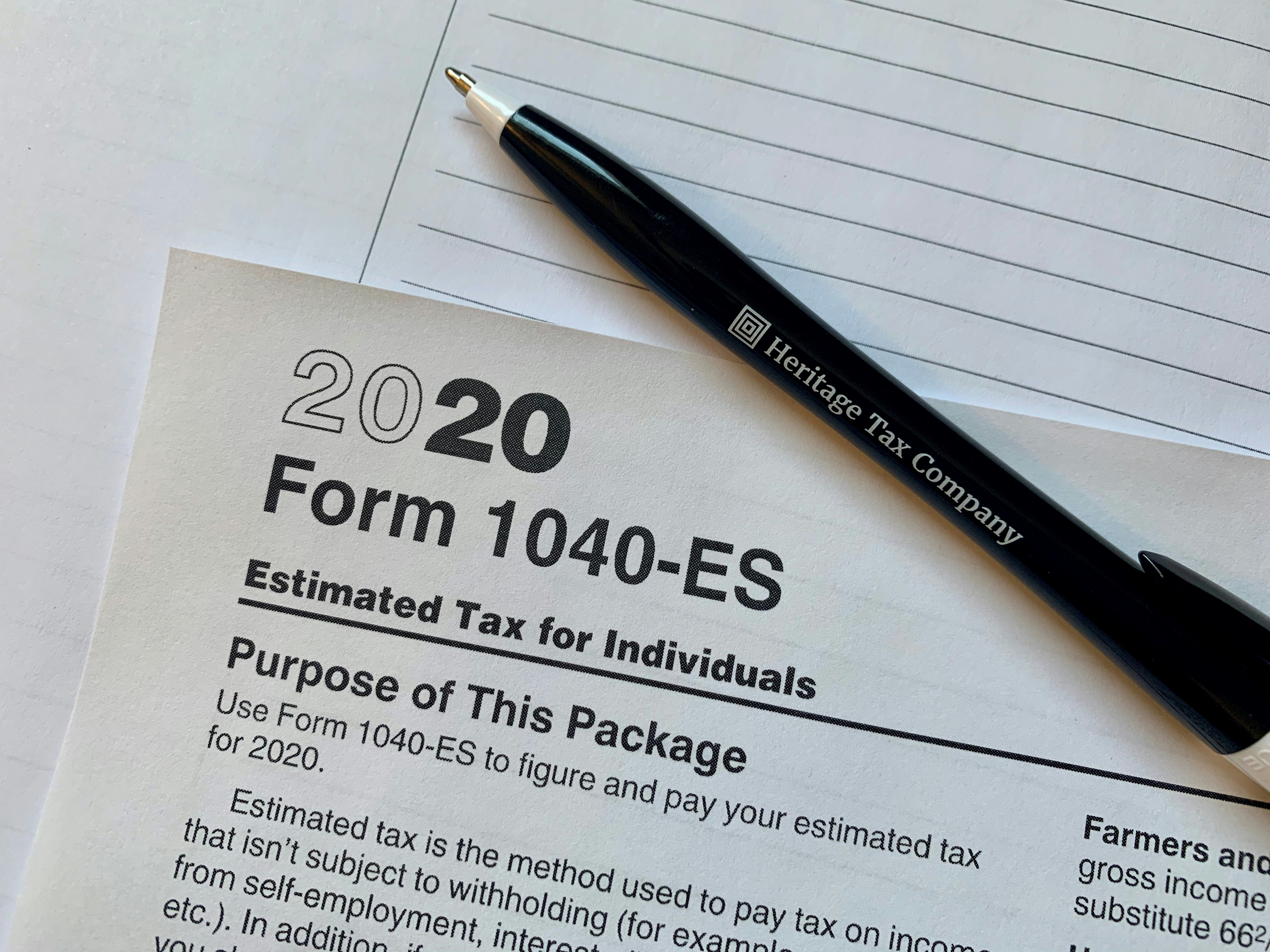
A sole proprietorship is the default business structure. If you start earning money as a travel advisor without filing any paperwork to form a different entity, congratulations — you're a sole proprietor. You and the business are legally the same person. You report business income and expenses on a Schedule C attached to your personal 1040, and pay self-employment tax on your profits.
What sole proprietorship looks like in practice:
No separate legal entity
No formal registration required in most states (though you may need a DBA if you use a business name)
Business income and expenses flow directly onto your personal tax return via Schedule C
You pay income tax AND self-employment tax (roughly 15.3%) on net profit
No liability protection — if someone sues your business, they're suing you personally
What's an LLC?
A Limited Liability Company is a legal entity separate from its owner (or owners). You file formation paperwork with your state, pay a filing fee, and from that day forward your LLC has its own name, its own tax ID (EIN), and its own legal existence.
The key word is "limited liability" — in most cases, if someone sues your LLC, they can only go after the LLC's assets, not your personal assets (your home, car, personal bank accounts). This protection isn't absolute and can be pierced in cases of fraud or commingling, but it's the biggest reason small businesses form LLCs.
What a single-member LLC looks like in practice:
Separate legal entity registered with the state
Formation fees: typically $50-$500 one-time, plus annual fees in some states
By default, a single-member LLC is taxed the same as a sole proprietorship (pass-through to Schedule C)
Personal liability protection (with caveats)
Can elect to be taxed as an S-corporation later (more on this below)
For the IRS perspective on LLC taxation, see this IRS page on LLC taxation.
The Liability Question
The biggest reason to form an LLC is liability protection. But how likely is a travel advisor to actually get sued?
Honestly? Low, but not zero. The most common travel agent liability scenarios:
A client's trip has a serious problem (missed cruise, lost luggage, medical emergency) and they blame you for not disclosing something
A client has an accident on a FAM trip you organized
A misrepresentation claim (client says you told them X, you say you didn't)
A data breach exposing client passport or payment information
Most of these are better handled with Errors & Omissions insurance (which every travel advisor should have), but an LLC adds a second layer of protection. If you're sued and the damages exceed your insurance coverage, the LLC shields your personal assets.
If you handle high-value trips (luxury, destination weddings, group tours), the liability exposure is higher and an LLC becomes more compelling.
The Tax Question
Here's where things get interesting. A single-member LLC is, by default, a "disregarded entity" for tax purposes — meaning the IRS treats it exactly like a sole proprietorship. Same Schedule C, same self-employment tax, same everything. Forming an LLC does NOT automatically save you any taxes.
However, once your travel business is profitable enough, you can elect for your LLC to be taxed as an S-corporation. S-corp taxation lets you split your income between a "reasonable salary" (subject to full payroll taxes) and distributions (not subject to self-employment tax). For high-earning independent advisors, this can save thousands per year. The break-even point is usually around $40,000-$60,000 of net profit, depending on your state.
S-corp taxation comes with its own complexity: you need to run payroll for yourself, file separate tax returns for the S-corp, pay yourself a salary that the IRS considers "reasonable," and keep meticulous records. Most CPAs recommend waiting until your profit justifies the extra hassle.
The Cost Question
Sole proprietorship costs $0 to set up. LLCs cost money.
State filing fee: $50-$500 one-time, varies by state
Registered agent fee: $100-$300/year if you use a service (you can be your own registered agent for free in most states)
Annual state fees: $0-$800/year depending on state (California, for example, has an $800 annual LLC franchise tax)
Separate bank account: Free or a few dollars a month
Separate bookkeeping: No additional cost with software that supports multiple companies — though it's worth noting generic tools typically charge per-company
Tax prep complexity: If you elect S-corp taxation, expect your CPA bill to go up by $500-$1,500
For an independent travel advisor making $20,000-$40,000 a year, the cost of an LLC can eat a meaningful chunk of profit with no tax savings to offset it.
Decision Framework: Which Is Right for You?
Stay a sole proprietor if:
You're brand new and not yet sure this business will be long-term
Your annual net profit is under $30,000
You have good E&O insurance
You only book leisure trips for individuals and small families
You want to keep things as simple as possible
Form an LLC if:
Your annual net profit is $40,000+
You book high-value trips (luxury, destination weddings, group tours)
You want to shield personal assets from business liabilities
You're planning to eventually elect S-corp taxation
You want the credibility of a formal business name
The One Thing Everyone Should Do
Whichever structure you choose, one thing is non-negotiable: separate your business finances from your personal finances. Open a business checking account. Use it only for business. Use a business credit card only for business expenses. Read our complete guide on separating personal and business finances completely for step-by-step instructions.
This applies to sole proprietors too. You don't need an LLC to separate your finances, and separating them makes your bookkeeping 10x easier regardless of entity type.
The Bottom Line
There is no universally right answer to LLC vs. sole proprietorship. For a brand new travel advisor making their first $5,000 in commission, forming an LLC is probably overkill. For an established advisor earning $60,000+ a year handling luxury cruises, an LLC (possibly with S-corp election) is usually worth it.
Whatever you choose, make sure your bookkeeping is ready to support it. UrTravelPro Books supports multiple companies on a single account, so if you do form an LLC down the road you don't pay a second subscription. Start free during our public beta and future-proof your business from day one.
This article is for informational purposes only and is not legal or tax advice. Business structure decisions have significant legal and tax implications. Always consult a qualified attorney and a CPA who work with small businesses in your state.