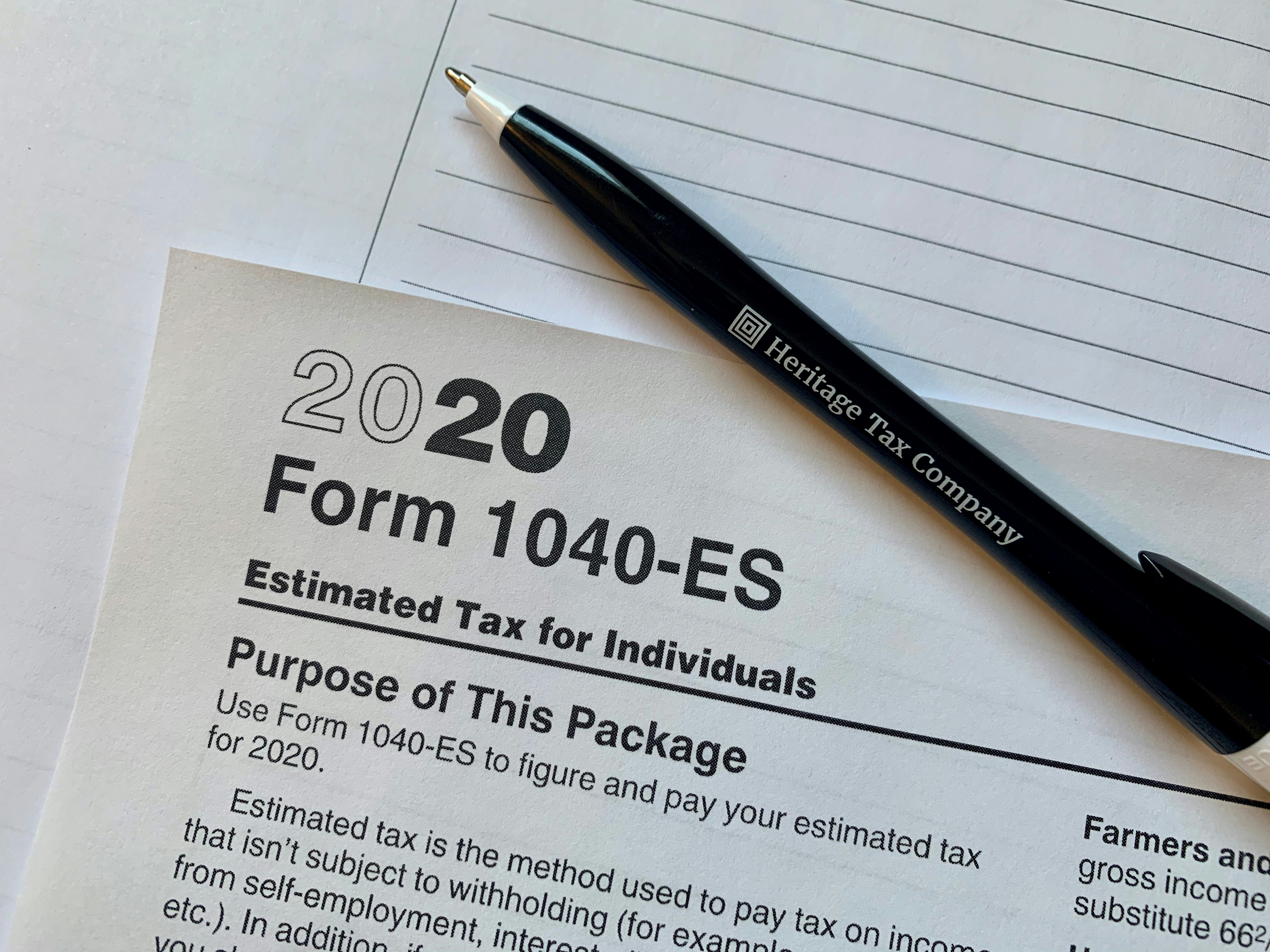
Nobody wants a letter from the IRS. The good news is that tax audits on small business owners — including independent travel advisors — are relatively rare. The bad news is that when audits happen, they almost always trace back to a small number of predictable bookkeeping mistakes. Avoid these seven, and you dramatically reduce your risk of ever seeing a CP2000 notice, let alone an actual audit.
Mistake #1: Claiming a Loss Year After Year
If your travel agency loses money in year one, nobody's surprised. If you're still showing a net loss in year five, the IRS starts to wonder whether you're actually running a business or just claiming hobby expenses against your W-2 salary.
The IRS uses what's informally called the "hobby loss rule." The general guideline is that a legitimate business should show a profit in at least three of the last five years. If you can't meet that bar, the IRS may reclassify your travel advisor business as a hobby — and hobby expenses are no longer deductible above hobby income.
How to avoid it: Keep careful records showing your business intent: a written business plan, a marketing strategy, ongoing client acquisition efforts, separate bank accounts, professional development. Even if you lose money, showing these hallmarks of a real business goes a long way. And if you really are struggling to turn a profit, consider whether adjustments to pricing, supplier mix, or marketing could get you into the black. Read our guide on why generic accounting software often hurts travel agents — it's often a contributor.
Mistake #2: Claiming 100% Business Use of a Vehicle
Unless you own a second car that's used exclusively for your travel business (and you can prove it), claiming 100% business use of a vehicle is one of the fastest ways to attract audit attention. Almost everyone uses their car for personal trips too — groceries, picking up kids, weekend getaways — and the IRS knows this.
How to avoid it: Keep a mileage log. Every business trip gets recorded with the date, starting mileage, ending mileage, destination, and purpose. Use the IRS standard mileage rate (the rate changes annually — check the IRS standard mileage rates page for the current figure). Deduct only the business portion. If business use is less than 50%, you generally must use the standard mileage method and not actual expenses.
Mistake #3: Round-Number Deductions
Here's a small one that matters more than you'd think. If every expense you claim is a suspiciously round number — "Advertising: $2,000" or "Meals: $1,500" — it looks like you're estimating rather than tracking real expenses. Real expenses almost never land on clean numbers. Your advertising for the year is $1,847.63, not $2,000.
How to avoid it: Track actual expenses to the penny. A good chart of accounts combined with consistent transaction entry means you'll have real numbers, not estimates.
Mistake #4: Taking Deductions Without Receipts
If you're audited and the IRS asks for receipts to back up your deductions, "I didn't keep them" is not an acceptable answer. Under audit, the burden of proof is on YOU to substantiate every deduction. No receipt, no deduction — and the IRS can also assess interest and penalties on the tax you should have paid.
The IRS has specific recordkeeping requirements: you generally need to keep records for at least three years from the date you filed the return, sometimes longer. See their guidance on recordkeeping.
How to avoid it: Digital receipts are fully acceptable. Photograph every paper receipt as soon as you get it and attach it to the corresponding transaction in your bookkeeping software. Our filing cabinet feature was built specifically for this — each transaction can have multiple receipts attached, searchable by date or description.
Mistake #5: Treating Personal Expenses as Business
This is the big one. If you use your business credit card for groceries and then category that transaction as "Meals & Entertainment," you're committing tax fraud. If you were audited and the IRS pulled your bank statements, they'd see the supermarket charge and have a very pointed question for you.
Smaller versions of this mistake are surprisingly common: putting a family Netflix subscription under "Software," claiming a family vacation as a "FAM trip," deducting personal gym memberships as "wellness." The IRS knows the most common tricks and has algorithms that flag suspicious patterns.
How to avoid it: Separate your finances completely. Read our detailed guide on separating personal and business finances completely. When in doubt about whether something is deductible, ask your CPA before you categorize it as a business expense.
Mistake #6: Under-Reporting Host Agency Income
Your host agency sends you a 1099-NEC at the end of the year. They ALSO send a copy to the IRS. If your reported income on your Schedule C doesn't match what's on the 1099, the IRS computer system flags it automatically. This isn't even a real audit — it's an automated notice (a CP2000) asking you to explain the discrepancy.
The most common cause: recording net commission in your books but forgetting that the 1099 might report gross commission. Or vice versa. Or recording commissions in the wrong year (the 1099 uses the date YOU received payment, not the date the client traveled).
How to avoid it: At year end, reconcile your reported commission income against every 1099 you receive. If your number is different from the 1099 number, figure out why BEFORE you file. See our commission tracking guide for the five most common causes of mismatched commission numbers.
Mistake #7: Ignoring the Home Office Exclusive Use Rule
We covered this in depth in our home office deduction guide, but it bears repeating: if you claim a home office deduction but use the space for anything other than business (even occasionally), you're violating the exclusive-use rule. If the IRS looks closely, they will disallow the entire deduction and likely assess penalties.
How to avoid it: Pick a space. Make it 100% business. Don't let your spouse check email there, don't let your kids do homework there, don't put a yoga mat there. If you can't commit to exclusive use, use the simplified deduction method which has a lower bar (but also lower deduction cap).
What to Do If You Get an IRS Notice
Most IRS "audits" for small businesses aren't actual audits at all — they're automated correspondence audits (letters) asking you to explain a specific discrepancy. Don't panic. Don't ignore it. Respond within the deadline, include documentation for whatever they're asking about, and consider involving your CPA before you send anything.
If you've been keeping clean books with proper receipts attached to every transaction, responding takes about 30 minutes. If you haven't, it takes weeks of digging through credit card statements and email receipts.
The best defense against an audit is good bookkeeping that you don't have to scramble to assemble. Start a free UrTravelPro Books account and build your records as you go, not in March of next year.
This article is for informational purposes only and is not tax or legal advice. Audit rules and tax laws change frequently. Always consult a qualified tax professional for guidance on your specific situation.